
Many commerce students assume that placement opportunities depend primarily on their degree, CGPA, or academic performance. While educational qualifications matter, recruiters also evaluate practical skills, projects, internships, and suitability for the position. During initial screening, recruiters may have limited time to review each application. They need to understand your educational background, relevant abilities, and career interests without searching through unnecessary information.
When a resume contains generic descriptions, it becomes difficult to identify what makes the candidate suitable for the job.
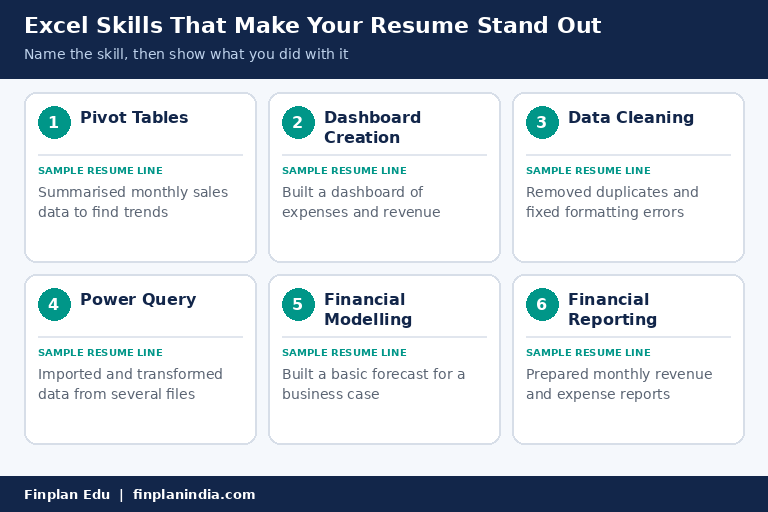
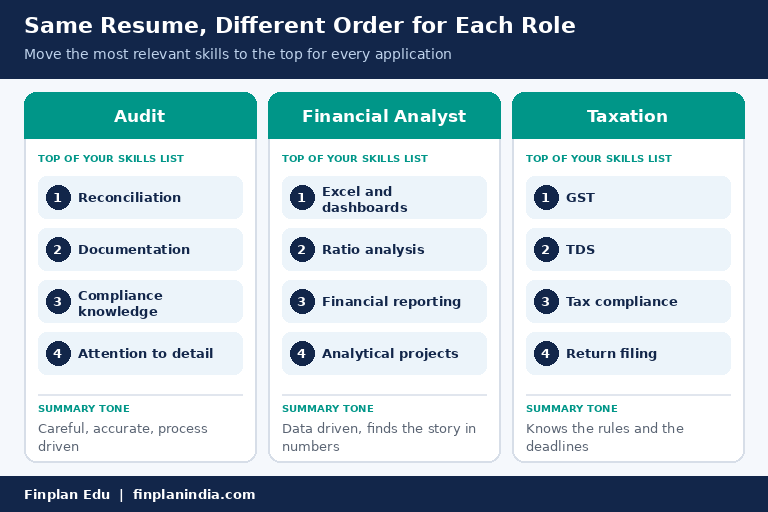
For example, two students may have completed the same commerce degree but developed different skills through projects or internships. One might have experience preparing financial reports, while the other may understand taxation procedures or financial analysis. If both resumes simply mention BCom, MS Excel, and good communication skills, their actual differences remain hidden. This is particularly important for students pursuing professional courses such as ACCA alongside their graduation. Recruiters need to understand how academic knowledge connects with workplace responsibilities. An effective resume is not about using complicated language or adding as many qualifications as possible. It is about presenting accurate information that demonstrates your readiness for the opportunity.